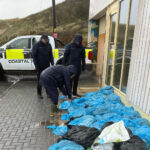
SOUTHERN Water has admitted it is ‘highly likely’ that millions of tiny plastic beads washing up along the coastline originated from the Eastbourne Wastewater Treatment Works.
The company says a failure in a screening filter at the plant allowed bio-beads, small plastic pellets used in wastewater treatment, to escape into the sea during recent heavy rainfall.
The beads, which are used to help clean wastewater before it is released, have since been washed up on Camber Sands beach, prompting a major clean-up operation and fierce criticism from local leaders.
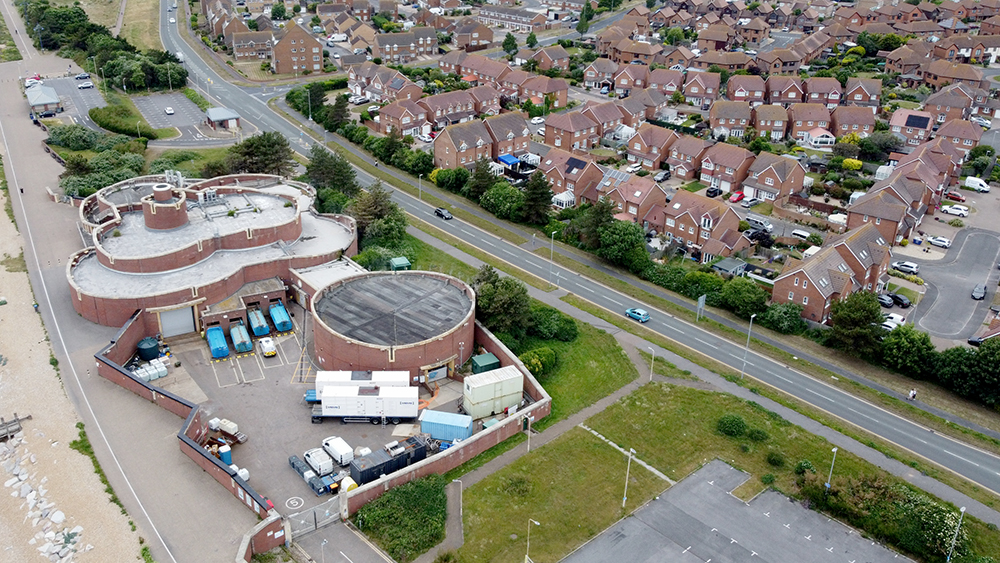
In a statement, a Southern Water spokesperson said: “After completing the initial stages of a thorough investigation, which is continuing, we believe it is highly likely that the beads have come from our Eastbourne Wastewater Treatment Works. We’ve identified a failure of a screening filter which has apparently led to beads used in the treatment process being released into the sea during heavy rainfall. The screen should have prevented this from occurring.
“We are very sorry this has happened and are doing everything possible to investigate and resolve the problem. We’ll provide further updates as soon as more information becomes available.
“Southern Water teams continue to work closely with Rother District Council, which is leading the clean-up efforts, and we remain committed to supporting this work in every way we can. Southern Water volunteers will continue to assist. Our staff are there to help, and we ask that they are treated with respect as they help with the beach clean.”
The Eastbourne site at Langney Point is one of the company’s key wastewater facilities, serving the town and surrounding area. The discovery that it may have been the source of such widespread pollution has caused anger among residents and environmental groups.
Hastings and Rye MP Helena Dollimore has called for an independent investigation, accusing Southern Water of failing to detect or disclose the loss for more than two weeks.
She commented: “It beggars belief that Southern Water failed to detect the loss of millions of bio beads for an entire fortnight, leaving them free to wash up on our East Sussex coastline and cause an environmental catastrophe. So why did it take our community to uncover the truth? When I enquired about these bio beads on Friday, Southern Water denied involvement.
“There must be an independent investigation into how this spill went undetected for so long and why a company with such a long record of environmental negligence once again failed to act responsibly. Southern Water cannot be trusted to mark their own homework.”
Her comments follow mounting public frustration at what campaigners have described as an ‘avoidable disaster’ that could take months to clean up.
The pellets, known as bio-beads, are used to grow bacteria that help break down waste in treatment plants. However, when released into the sea, they can be mistaken for food by fish, seabirds and other marine wildlife.
Experts have warned the spill could have long-term consequences for fragile coastal habitats, including parts of the Sussex shoreline designated as Sites of Special Scientific Interest.
Rother District Council continues to lead the clean-up, with support from the Environment Agency and Southern Water teams.