





“The most noteworthy thing about gardeners is that they are always optimistic, always enterprising, and never satisfied. They always look forward to doing something better than they have ever done before.” Vita Sackville-West
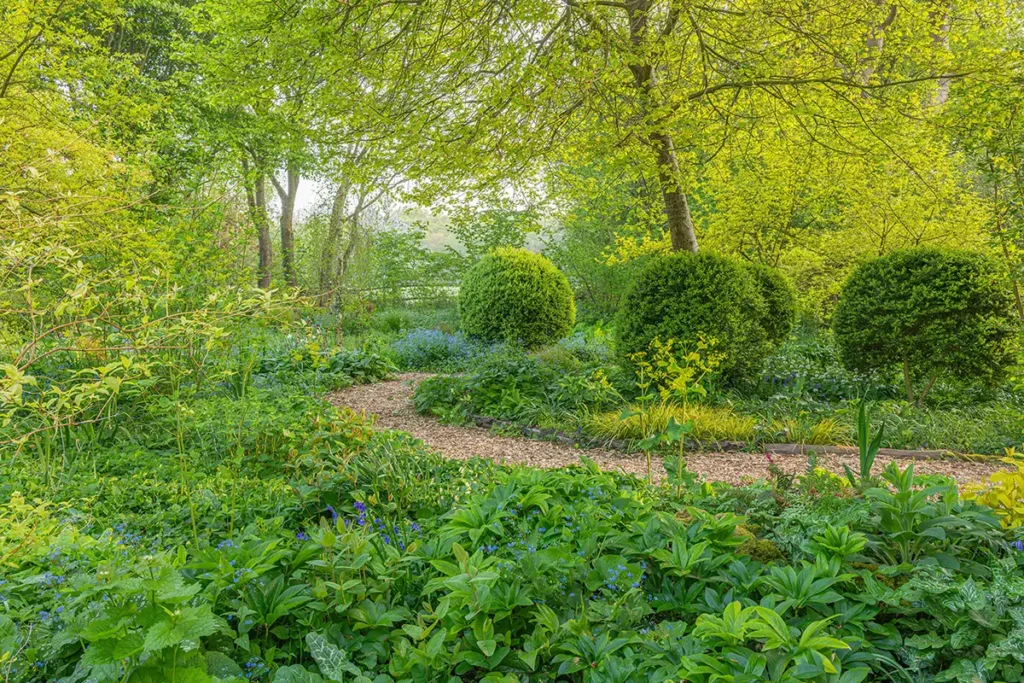
As the Head Gardener at Bates Green Garden in East Sussex, I have the privilege of nurturing a space that’s as much about Nature as it is about plants. This Garden has long been a place of beauty and connection—a haven for both humans and wildlife. But lately, the rhythms of nature have shifted. Climate change is making itself felt here, and it’s altering the way the Team here garden.
Over the past few years, we have noticed our seasons behaving differently. Winters are milder, summers are hotter and sometimes drier, and unpredictable downpours can arrive without warning. These shifts have affected everything from when plants flower to how pests and diseases show up. For instance, some spring bulbs now flower earlier, while prolonged heatwaves have stressed even our most established trees and shrubs. The Garden’s familiar patterns are changing, and as gardeners, we must adapt.
One of the biggest changes we have made is in plant selection. The days of relying solely on traditional English garden favorites are fading. Instead, we are choosing plants that can tolerate warmer temperatures and periods of drought. Mediterranean plants like rosemary and phlomis thrive in these conditions, as do ornamental grasses and certain succulents. We also look for species that are naturally resilient- plants that can handle fluctuations in weather and still provide colour, texture, and support for wildlife. Native plants remain important, but mixing in adaptable varieties gives the garden a fighting chance and broadens the diversity for insects.
Climate change has prompted us to rethink some basic gardening techniques. Mulching beds and borders is more essential now than ever before; a thick layer of organic mulch helps retain moisture, suppress weeds, and regulate soil temperature.
We try to disturb the soil less, protecting its health and structure. Composting is a priority too—returning nutrients to the earth and reducing garden waste. Where possible, we group plants with similar water and sunlight needs, making maintenance easier and more efficient. These small changes add up and make a real difference in how the Garden copes with stress.
With rainfall now less predictable, managing water wisely is crucial. Let us all install water butts to collect rainwater and use it for irrigation. Drip systems target the roots directly, reducing evaporation and saving water. Here, we avoid watering in the heat of the day; early mornings are best. By monitoring soil moisture rather than watering on a set schedule, we ensure that plants get what they need without waste. These strategies help the Garden stay lush even during dry spells.
There are several ways gardeners can mitigate the effects of climate change. Planting trees and shrubs creates shade and helps cool the area. Increasing organic matter in soil boosts its ability to hold water and nutrients. If you’re planning new beds, consider raised beds, they allow for better drainage during heavy rain. Don’t forget to practice crop rotation and companion planting to keep pests at bay naturally. And always be open to learning; gardening is about experimenting and responding to nature’s cues.
At Bates Green Garden, we strive to make this space welcoming for both people and wildlife. Leaving areas of wildflowers (AKA weeds) provides food for pollinators. Woody pruning piles, wild edges, nest boxes, and log piles offer shelter to birds, insects, and small mammals. Even a shallow dish of water can help frogs and hedgehogs. Native hedges and diverse plantings encourage a variety of creatures to call the garden home. Creating a wildlife-friendly garden isn’t just good for nature—it also enriches our own experience, making the garden more vibrant and alive.
Climate change presents challenges, but it also offers opportunities to rethink how we garden. By adapting our plant choices, refining techniques, managing water wisely, and supporting wildlife, we can build gardens that are beautiful, resilient, and welcoming.
Bates Green Garden is living proof that with care, creativity, and a little courage, we can thrive in changing times. I encourage you to look at your own gardens with fresh eyes and be open to new ideas. Gardeners can nurture spaces that sustain us—and the world around us—for years to come.
Enjoy the beautiful month of May. Bates Green Garden is now open to the public


