
Alice Pippard is ready if the call comes from Downing Street next month.John Healey, the new Chancellor of the Exchequer, is preparing his first Budget, and WineGB, the trade body that represents the 82 vineyards in East Sussex, has challenged him to drink a glass of English wine at the Despatch box.
The competition for the honour of supplying a fortifying sip would be fierce, but Alice would be delighted to send a bottle or two from her Beacon Down Vineyard near Heathfield. “It would be an absolute honour if the opportunity comes around,” she said. “It would be a marvellous advertisement for English wine.”
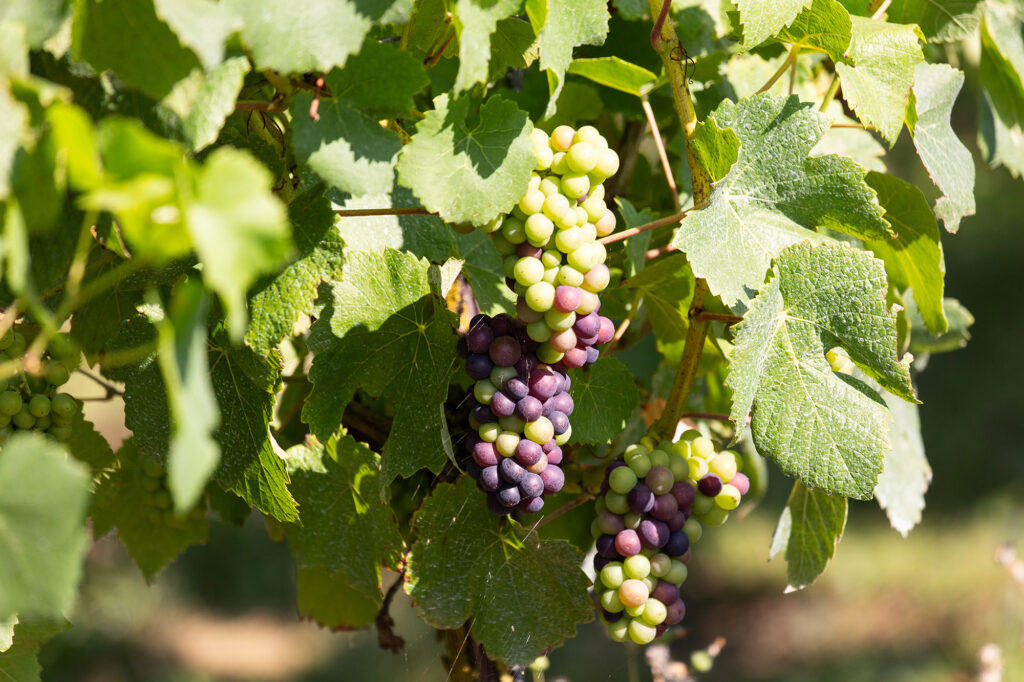
This is the busiest time of year for vineyards across East Sussex as they launch into the harvest season. Unlike the rest of the struggling agricultural sector, optimism abounds in the area’s vineyards thanks to a summer of hot sun and a sudden blast of rain at precisely the right time. Collette O’Leary, head winemaker at Henners Vineyard in Herstmonceux, said: “The yield will be relatively low, but we hope it will be very high quality.”
While farmers have bemoaned the relentless sunshine, the vines have lapped up the heat and remained hydrated as their roots reach deep into the soil. At some estates, the vines sit on the same chalk stratum, which acts like a magic sponge, that stretches into the champagne region of France; other estates sit on sandy clay, also good for clinging onto groundwater, a legacy from thousands of years ago when Sussex was on the seabed.
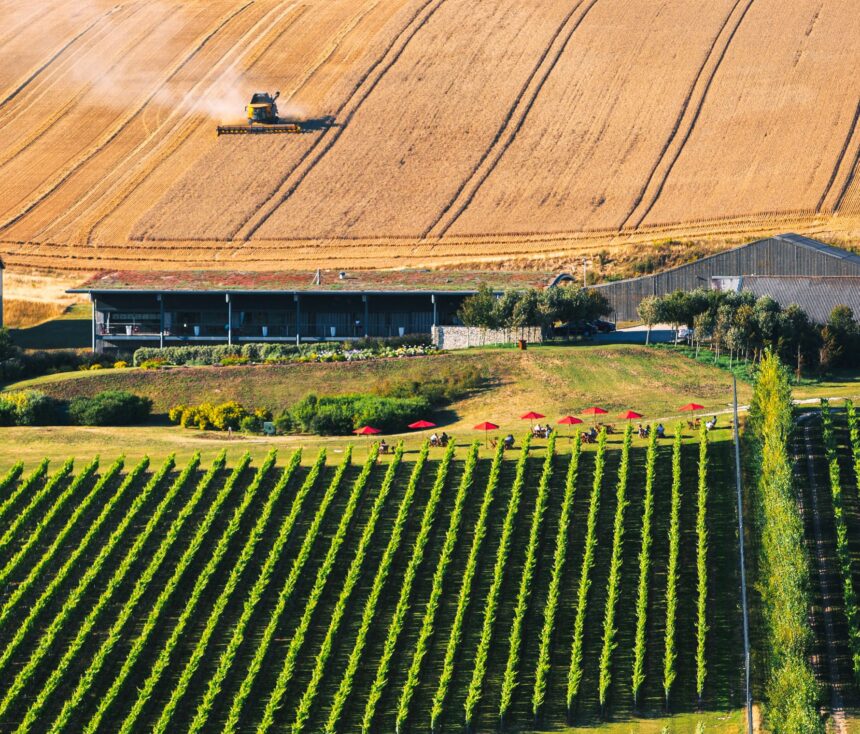
A good harvest is essential for small vineyards like Beacon Down, owned by Paul and Alice, who gave up careers in the civil service in London – ironically at the Treasury – and gambled everything on finding land to plant their 10,000 vines. On a fine, sunny afternoon, the view from Beacon Down is as breathtaking as any in the country, the vines tumbling down into the valley with the view beyond all the way to Eastbourne on the coast.
Visitors crowd into the picnic area to sample the wines, from award-winning sparkling to popular still wines from grapes such as Bacchus and Pinot Gris. For vineyards are no longer just producing excellent Sussex wine, they are also trying to become tourist traps by luring holidaymakers and day-trippers to witness some glorious rural views. The husband-and-wife team of Paul and Alice planted their vineyard in 2015 and can now produce up to 15,000 bottles a year.
At the other end of the scale, David Andrews, joint manager at Rathfinny in Alfriston, one of the country’s biggest and most successful estates, is planning a sustainable harvest, with help from some feathered friends.

Rathfinny abandoned plastic nets to protect the grapes from marauding birds and now has a team of three birds of prey – a Chilean Blue Eagle, a Falcon and a Hawk – that patrol the 230 acres of vines.
“This has been a good year with many more growing days than usual,” he said. “We are hoping the yield will be very high in quality. We are only three miles from the sea, so our weather has been very beneficial.”
The cooling sea breezes across the Henners Vineyard have also helped the plump, tasty grapes. Collette O’Leary is expecting a high-quality crop this year and is also hoping to spread the word that English wine can now take its place on the finest tables in the world.
Her winery can produce up to 250,000 bottles a year from the Herstmonceux crop of 13,000 vines, but also from other vineyards around the south of England, exporting as far and wide as Norway, the USA and even Puerto Rico and Kenya. Exports for the entire industry are up 35 per cent with East Sussex the third biggest producer after Kent and West Sussex.
But there are challenges: essential supplies are stuck in the Strait of Hormuz, energy costs are soaring and English producers still need government support to compete with the traditional producers around the world.
Which is why Nicola Bates, WineGB’s chief executive, wants John Healey to resurrect the tradition of having a tipple when he announces the Budget on October 28. Winston Churchill liked a whisky and soda at the Despatch box, while Ken Clarke sipped a glass of Glenfarclas Scotch when he announced his Budgets in the 1990s. How fitting then would be a glass of Sussex fizz or the delicious white wine that Sussex vineyards specialise in.
“There are many things the Chancellor could do for Britain’s fastest-growing agricultural sector,” Nicola said. “Wine tourism could be boosted with tax relief on prices of wine sold in vineyards at the cellar door, and we would benefit from grants to help with research and help to truly value British produce.”
East Sussex vineyards are a rare success in a wilderness of misery across the British agricultural sector. But every vineyard faces the vagaries of the British weather – and the punishing tax regimes and high energy prices determined by government. John Healey and Prime Minister Andy Burnham have made much of their love of pubs. But they could provide some light relief with a Budget Day drink to toast the success of the beautiful vineyards of East Sussex.