



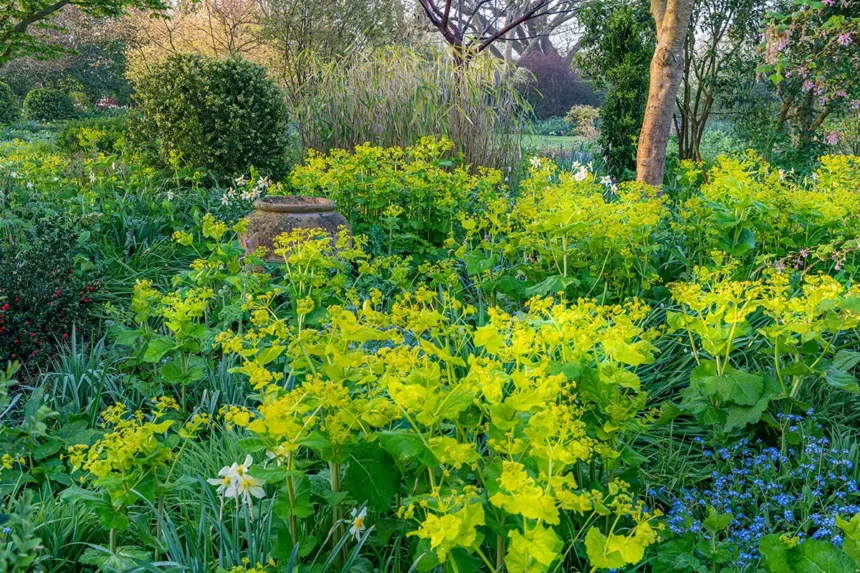

“Weeds are flowers too once you get to know them” A. A. Milne
If you’ve ever spent an exasperating afternoon pulling weeds from your garden and wondered if you’re fighting a losing battle, you’re certainly not alone. But what if the solution isn’t stricter tidiness, but instead a more relaxed approach—one that benefits not just you, but the wildlife sharing your outdoor space? Across the southeast of England, a shift is underway: gardeners are starting to see “weeds” less as stubborn enemies and more as vital parts of a thriving, biodiverse garden.
Traditional English gardening has long-celebrated neat lawns and perfectly ordered borders. However, this pursuit of tidiness often comes at a cost to local wildlife. Bees, butterflies, birds, and small mammals all need shelter, food, and nesting sites, many of which are provided by the very plants we have traditionally removed. By letting parts of our gardens grow a little wilder, we invite these creatures in, supporting the delicate web of life that makes our neighbourhoods richer and more resilient.
One simple yet powerful change is to keep garden edges and corners a bit less manicured. These “wild margins” can become miniature wildlife reserves, providing cover for hedgehogs, corridors for insects, and food sources for pollinators. You don’t need to let your whole plot run wild—just a few patches of untamed growth can make a world of difference. And, as it turns out, many local weeds are especially good at creating these habitats.
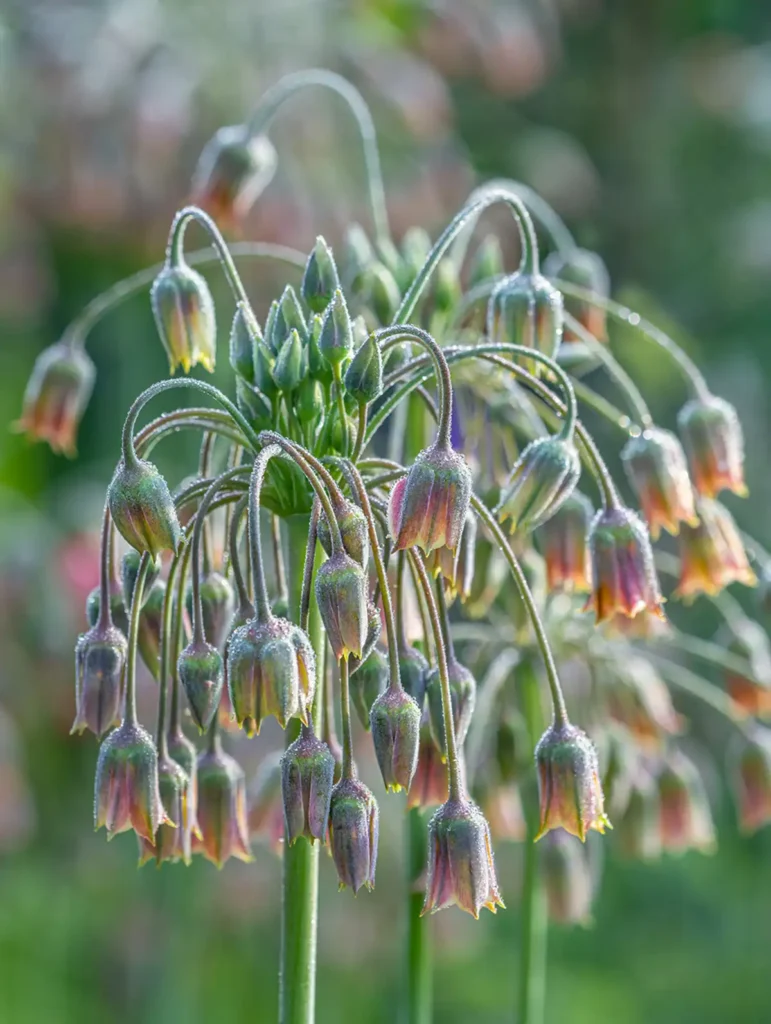
Let’s take a closer look at some of the southeast’s most prolific wild plants, often dismissed as weeds, but each with its own story to tell.
- Cleavers (Galium aparine): Also known as “sticky weed,” cleavers’ clinging stems are a favorite of children and a boon for wildlife. Their seeds feed birds like goldfinches, while their tangled growth offers shelter for insects. Historically, cleavers have been used in herbal medicine as a gentle cleanser for the lymphatic system. This plant is prolific in our ancient Beatons Wood-home of the Arlington Bluebell Walk which starts this month.
- Bramble (Rubus fruticosus): While few gardeners want brambles to take over, their blackberry fruits are a vital food source for birds, mammals, and people alike. The dense thickets provide safe nesting sites for small animals. Medicinally, blackberry leaves have been brewed as a soothing tea for sore throats.
- Dock (Rumex spp.): Recognizable by their broad, wavy leaves, dock plants are often found near nettles. Their leaves have long been rubbed on nettle stings, and the roots have a history in herbal remedies for skin complaints. Their seeds attract finches and other seed-eating birds.
- Hairy Bittercress (Cardamine hirsuta): This tiny, peppery-flavored plant pops up in the cracks of paving stones and bare soil. Its leaves are edible, adding a cressy kick to salads. Early in the year, its flowers are a nectar source for emerging bees.
- Ground Elder (Aegopodium podagraria): Sometimes called “bishop’s weed,” ground elder spreads quickly but also offers attractive umbels of white flowers, which support a range of pollinating insects. In the past, its leaves were eaten as a spring green.
While these plants may not fit the classic definition of garden beauty, many have a subtle charm and a wild elegance. Their flowers—whether the tiny stars of hairy bittercress or the bold spikes of alliums—add diversity to the garden’s look. Their foliage can create interesting textures and shades of green, especially when allowed to mingle naturally along fences or under trees.
Of course, a relaxed approach doesn’t mean letting brambles swallow your roses or ground elder carpet your vegetable plot. The aim is balance: allow wild margins, keep some areas managed, and remove weeds where they’re truly problematic. Remember, you’re not giving up control—you’re gardening with intention, shaping your space to welcome both people and wildlife.
In reality, a weed is just a plant growing where we don’t want it. By seeing them in a new light, we can appreciate the roles they play in our gardens and the wider ecosystem. So, next time you spot a patch of cleavers, a cluster of dock, or a tangle of bramble at the edge of your lawn, consider leaving it be. You might find that embracing a little wildness not only helps local wildlife thrive but brings a new sense of peace and purpose to your gardening.
Enjoy all that April has to offer in your gardens, plots, balconies, parks and woods this month.


